Showing posts with label educating. Show all posts

Thursday, July 14, 2016

Achievable Goals? Are there any?

To grow my own food- loose weight- get off my medication- raise my own meat- be sustainable; self- sufficient- to be thin- to look like -- to be better!!!!


We have all heard them; many of us have 'set' them- goals. Some we have achieved; many we have been deceived by- most have broken our hearts, and a few have been destroyed by them. When I ask people about setting goals the answers all brought me to a realization... we are probably thinking too big.


Why is it we look so far and so wide for the bigger and better whatever? Can we downsize it a bit to create a reality we can work in? I believe we can. Setting a big goal isn't inherently harmful, as long as we realize that it is the 'big picture'. With in that big picture can be smaller goals leading up to where we want to be.


Example: Say I want to grow my own food. That is a fairly large goal (big picture). The smaller goals leading up to that might be to start a small garden plot with simple veggies (maybe a salad garden); my next goal might be to raise a small flock of hens for eggs. Letting our goals build on each other without adding another until we find comfort in the success of the first lends us to more achievable outcomes... success.


Last week my participants received a paper filled with various shaped hearts. Large hearts were there for the 'big picture' goals; smaller were the steps leading up to the big picture. While the exercise may sound tedious.. the smaller hearts are the ones we focus on.. and many found success already this week.


'I drank more water'...'replaced one soda with water'.. walked on my breaks at work... spent more time with my child.. ate a veggie with each meal..


Confession: I am terrible at small goals! My mind is always focusing on the 'romantic notion of big things'. This week's small goals have been a challenge to keep my eyes on, however, I am seeing good progress in myself.


What about you?


Are you a big goal or small goal person? Do you find success in your approach?

Tuesday, July 12, 2016

Deafening Silence


Is it just me, or is silence deafening? My mind is constantly boggled lately by not only how silent my house has become, but how deafening it can be. Kinda like my little blog- I know.

Last month found me losing my mind as the schedule I set proved to be a bigger challenge than expected. This month is slightly less chaotic; slightly. Honestly, the chaos brings a bit of balance to the end of day deafening silence.  How does one manage the looming quiet that comes at the end of the day in an empty house?

She decides to expand her education.

I decided deafening silence could be filled with books, quizzes, tests, and certification processing. Doesn't that sounds like a great way to fill the void? This week I registered myself to bypass completing another degree and just get my certifications in fitness for special populations and as a nutritionist; I have been working in and studying about this for years- just as well dive right in and do it!

Please bear with me as I go geek- potentially sharing insights and irritations- as I study my way through the certification reviews and, hopefully, complete the process rather quickly.

Anyone else out there trying to fill the deafening silence with chaos?  

Wednesday, June 10, 2015

Nutrition- It's Not About Celery Sticks


Image result for image of celery sticks
Large groups of teenagers can be daunting- especially if your might be an unpopular activity in their summer schedule! In a moment of hushed bluntness, a young man's comment caught my attention, "Great, celery sticks and ranch". Ouch! 

His comment stirred an immediate reaction in me- of gratitude! I have been brooding and fretting over a few crazy me ideas (you know, the ones that only sound good in your own head)- in attempts to put together a fresh summer teen nutrition/ag program. One dealt with none other than nutrition myths, such as 'nutrition is all about celery'.

Without fear I walked right up to the boy, who was quite strong in his defense of his comment- and quite clear he would not be eating any celery, and thanked him for his honesty. Our small one-on-one conversation gave me an open door to assure him this would not be a boring activity, but an opportunity to change his outlook. He challenged me further with a smirk and an agreement to give it a shot. My long ride home found me in 'all tabs open' mode as the creative juices struggled to marry with sound fact and reasoning.

If nutrition is not about the celery sticks, what is it about? 

1. Food, not food shaming! Learning about food, both natural and processed, in order to equip you for your choices.

2. Choices. What goes in to your body is your choice- but be sure you are informed and educated in order to make good ones.

3. Be where you are. Children/youth generally do not make food purchasing decisions for their families, so there are limits to what they can choose. Family finances, ethnic preferences, and food knowledge can also play a role. Work with what you have and learn to make it work.

4. Trying new things- not just new foods. Sometimes nutrition is about trying new skills, or new ways to use certain foods.

And finally- 
5. Fit your tastes! Each of us are different- and our tastes are too. Learn to adjust foods to suit your tastes; you will be more willing to eat them and make them yourselves.

I have no doubt this summer will be full of challenging personalities and hard set preferences- most kids have rather firm views of food and nutrition. My hope is that this young man's honesty will truly open the flood gates to the many jumbled notions in my head and bring them to an engaging plan of action! 

Tuesday, June 9, 2015

Engaging the Mind- Miss K and Me

Miss K: pint size bundle of energy, ingenuity, and noise. Let me just say, this grandmama sees an awful lot of her mama, aunt and uncle in this little firecracker! Weekends with her are fun, fast, and fascinating- it keeps me on my toes!

Like any tot she has always been curious and engaging- focused eye contact and gurgly noises. Growing into the mobile, interactive, tot she now is offers even more insight into the curious mind of this little lady.

As I prepared for another visit from our little tot, I found it a great time to share specific examples of how I strive to engage the mind and allow a child to find self expression and self soothing. Let's start at the beginning.

Baby K
She was around three months old when she first started really spending time with me. One of her favorite soothing activities was a walk outside. Her face would light up as she gazed all around her: blue sky, green trees, the flower and veggie gardens.. farm animals and the noises of farm life.

Touching different textures was another engaging activity she loved: soft toys, rough books- tough and feel books are her favorite. Reading and music were calming- it amazed me how long she would let me read to her.

As she grew, we put paint on paper and placed it inside a zip bag, allowing her to poke, smear, and play at painting without too much mess. Water play- scooping, funneling, pouring- and soil exploration- getting down in the dirt and feeling it- were things she grew into.


Miss K today
At the start of her sitting up time to now, she loves fabric textures and colors; patterns are something she tends to notice and follow. Sitting on the floor with fabric and yarn offer her textile touch and interaction with creative opportunity; make a blanket, a fort, or wrap a doll in it.
Outdoors is still number one: the animals, trees and garden are always visited shortly after she arrives. Petting, smelling, hugging- touching, digging, and gazing- all offer her moments of exploration and engagement.

Painting is her indoor favorite- now with brush in hand. Watercolors are top request; dipping the brush, swirling and swoohing it in paint and paper are times of determined concentration and intense focus.

Reading and music are excellent calming activities for her. She could hear a story over and over for half an hour- and dance and sing as well.

So what does it matter?
A creative mind is a terrible thing to waste- and every mind is creative. The key is to expose them to various outlets of creativity and allow them the freedom to find the avenue best suited to their needs. If Miss K is a bit fussy, she now asks to go outside or to paint- whether she realizes it or not, she is already using self calming activities. Children need outlets to express themselves and deal with the frustrations/emotions which are simply a part of their natural growing experience.

Today's encouragement:
Let's do a little self exploration. What do you do to calm your frazzled mind?
Share your experiences, tips, and questions- inspire each other!

Monday, June 8, 2015

Engage the Mind- Open The Door!

Children are naturally inquisitive, creative, and eager to explore the amazing messiness life offers. This can be a source of frustration for many new parents- after all, these little bundles of energy are exhausting! So what is a mama/grandmama/caregiver to do? Engage the mind!

Okay, but what does that mean? In my home, engaging the mind means opening the door to creative opportunities though exposure and modeling. If I come inside from our 'outdoor play' and need to cool down, maybe I get some paints out and allow myself time to let my mind relax. Maybe we get out fabric/textiles and drape them over the chairs or lay them on the floor and explore the textures, colors, and different ways we can play with them.

In my years of raising children and teaching children, it has become vividly clear that children given opportunities/exposure to art, music, textile and nature are calmer, engaged, vocal, and easily take to the tasks ahead of them. When we open these opportunities we activate areas of the mind that can be opened by no other means. That isn't all.

Children learn self-soothing/self-calming when they learn to engage their mind, body, and energy in various expressive activities. Articles abound on the positive effect of nature on a child's behavior and emotional well being. Further still, articles are popping up daily reminding us that artistic/musical expression improves children's reading, writing and math scores.

The down side of this? It takes work. It's messy. It may be something we ourselves were not naturally exposed to, making it hard to initiate. Depending on your method and current supply cabinet, it may require a little investment.

So, when do we start? Now! Never too early or too late. Infants can go outdoors- walks, swings, and simply sitting give them opportunity to look around and engage their senses. Toddlers love getting their hands in paint, fabric, and soil- walking and touching in nature and listening/moving to music. Older children may resist at first, but when given freedom to do it their way on their terms they often find an outlet that fits their personality.

Today I encourage you- whether with your child, your grandchild, students, or even for yourself- take a moment and truly listen to music, splatter paint on a paper, walk through nature. Engage.

Share your experiences, tips, and questions!

Friday, June 5, 2015

Let There Be Light- Pruning Tomatoes


prune-
-trim (a tree, shrub, or bush) by cutting away dead or overgrown branches or stems, especially to increase fruitfulness and growth; cut away (a branch or stem); reduce the extent of (something) by removing superfluous or unwanted parts.

A terrifying thing, cutting away at something. Despite the fact it is for the best, many of us are reluctant to chop and hack at things in our lives- especially a plant we have worked so hard to grow. This week I embrace the blade and take to the rows!

Tomatoes are, for the most part, vines that grow and sprawl everywhere. Left to themselves, they can grow over 6 feet tall and completely swallow a garden bed. I prefer to keep my plants a size I can handle; besides, we want the fruits not a messy tangle of leaves! Let's look at what I whack away. 1. 

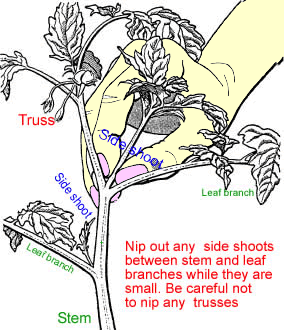
1. Any side shoots. Side shoots pull nutrients and energy from the plant (thus the term 'suckers' is often used). I pinch or snip them when they are the size of my small hands. 
2. All leaves near the soil. Plant parts touching the soil are a venue for disease and pests. My tomatoes are pruned to the first fruiting. 
3. All but three main stems. I want the plants to produce healthy, hearty fruit, so I keep the plant a bit smaller to allow its energy reserved. This also helps air and light circulation.
4. Excess leaves or diseased/damaged leaves. Sometimes when you look at the plant, the tomatoes are not visible for all the bushy leaves. I trim away any leaf branch shading the fruits and preventing air and light. During the recent rains, this has been vital to slowing vine rotting fruits. It also helps with pest control (less habitat). 
All this and I must say, pruning is not an exact science. For example, in seasons of intense heat we need a bit of shade for the fruits to prevent sun scald. In that (usually late July, early August for me) I leave some leave cover, but keep that air flow going. 
My entire week has been traveling from one garden to another teaching pruning and care as well as working to prune and maintain my own. Gratefully, it seems to be helping- for today as I visited one of our gardens the tomatoes were showing the first blush of red! Grateful for the sun and a little trim, maybe we will have a healthy tomato harvest after all. -Green tomato salsa just isn't as tasty as the red!

Wednesday, March 25, 2015

Breaking Down Compost- the nitty gritty of it


Compost-
  • 1. A mixture of organic matter, as from leaves and manure, that has decayed or has been digested by organisms, used to improve soil structure and provide nutrients. Webster's dictionary

  • Like any good gardener I have a pile of rotting roughage off in the far corner of my property. Out of respect, we call it a compost bin. There in lies all things foul and stinky: barn muck, stall crud, coop poop, gross egg shells, leaves, moldy hay- you get the picture. In order to become a bit more respectable in the department of garden knowledge, I have taken a few classes on compost.

    Proper compost bears no foul odor, is not compacted, and has a healthy green-to-brown ratio. Not only do leaves, bark, and pine needles go in, but there needs to be a hearty does of veggie debris, grass or yard clippings, and the like. Compost needs to be damp; watered regularly to keep moisture at a proper level. There must be stirring or turning of the bin or pile to encourage heat distribution and adequate break down of debris. Who knew?

    Okay, so I don't have the best practices when it comes to my compost pile- I have never turned it, water only happens when rain comes, and uh, no veggies or grass clippings have ever graced the bin. Whoops! Moving on..


    Compost should be added to gardens areas yearly in colder climates or twice a year in warm, southern climates (mine). Once a season ends, working a hearty helping of compost into the plot replenishes nutrients preparing the soil to support new plantings. Flower beds or beds already planted will benefit from some side dressing or top composting- simply placing a light layer of compost around the base of your plants offers them a nice boost of nutrition.

    Okay, I did get that one right. Our soil is worked over between plantings and often side dressed while plants are in the ground. Compost tea is a great vitamin shot for hearty plants, flowers, and sturdy herbs (don't do it when you are about to harvest and never spray it on lettuce! Think ecoli.)

    The reality is- there is a lot of advice about compost- some is experience based and some is research based. My practice falls somewhere in the middle. The intention of my garden and compost is to do the best I can with what I have and the time I have to do it in. There is always room to improve!

    A few side notes:
    Never add fats or animal protein- that will make a rancid mess and attract unwelcome pests.
    Egg shells are excellent for adding calcium to the mix.
    There are accelerators/activators on the market to hurry up the decomp process.
    Worms are always a welcome sign of healthy compost.


    Monday, March 23, 2015

    Beautiful Sighting

    Luna Moth
    Actias luna (Linaeus, 1758)
    Sometimes called the American Moon Moth
     
    This beautiful Luna moth rested calmly on our homestead during a long day of intermittent rain. Most we have found have wing spans around 4", yet this one was rather on the small side. I love when the Lunas drift in from the woods during the night attracted by the light over our shop door. Some mornings the side of our barn area is covered with them.
     
    Identification: Hindwings have long curving tails. Wings are pale green, each with a transparent eyespot. Outer margins are pink in the southern spring brood, yellow in the southern summer brood and in northern populations.
    Wing Span: 2 15/16 - 4 1/8 inches (7.5 - 10.5 cm).
    Life History: Adults are very strong fliers and are attracted to lights. Mating takes place after midnight, and egg-laying begins that evening. Females lay eggs in small groups or singly on both surfaces of host plant leaves. The eggs hatch in about one week and the caterpillars are sedentary and solitary feeders. Leaves and silk are used to spin papery brown cocoons in litter under the host plant.
    Flight: One brood from May-July in the north, two to three broods from March-September in the south.
    Caterpillar Hosts: A variety of trees including white birch (Betula papyrifera), persimmon (Diospyros virginiana), sweet gum (Liquidambar styraciflua), hickories (Carya), walnuts (Juglans), and sumacs (Rhus).
    Adult Food: Adults do not feed.
    Habitat: Deciduous hardwood forests.
    Range: Common. Nova Scotia west to Saskatchewan and eastern North Dakota; south to central Florida, the Gulf Coast, and eastern Texas.


    exert from: http://www.butterfliesandmoths.org/species/Actias-luna

    Wednesday, February 25, 2015

    The Great Debate- Is Ranch Dressing Healthy?


    It is an honest question, and last week it was honestly posed by an intuitive student- is ranch dressing healthy?  Sadly, the answer is- yes and no- or, it depends. Let me explain.

    First let's tackle the answer 'yes'.

    If we are asking whether dressing that is ranch seasoned is healthy, then, yes it is. Such a dressing is made with a general base of oil and vinegar. A cream is added in the form of buttermilk, sour cream, or yogurt. Finally we add the ranch style seasonings- parsley, garlic, onion, dill, chives and salt/pepper. This dressing itself is naturally lower in fat, sodium, and calories (not to mention chemical additives) than it's shelf companion.

    Then let's tackle the likely answer 'no'.

    Common ranch dressing found of the store shelves is, in general, not a healthy choice. Let's look at the nutrition label, bearing in mind that a serving is two tablespoons.

    Hidden Valley Ranch
    - 140 calories
    - 14 grams fat
    - 260 mg sodium
    Kraft Ranch
    - 130 calories
    - 13 grams fat
    - 370 mg sodium
    Hidden Valley Ranch Light
    - 80 calories
    - 7 grams fat
    - 290 mg sodium
    Kraft Light Ranch
    - 80 calories
    - 6 grams fat
    - 440 mg sodium

    Home made ranch made with Greek yogurt and very little salt- this recipe is from Slender Kitchen:
    Homemade Ranch Seasoning Mix
    Servings: 8
    Serving Size: 1 Tbsp
    Nutritional Information: under 20 calories


    Finally, let us look at the answer 'it depends'.

    Is ranch dressing the only way vegetables are going to be consumed? Can you limit yourself to the serving size and/or opt for one that has a bit healthier ingredient list?
    Sometimes nutrition is relative to the situation and to the person. A ten year old who has never eaten vegetables, who tries veggies with ranch and likes them will benefit from the ranch dressing- in moderation, of course. Hopefully, the child's tastes will improve with age and/or will adjust to a healthier ranch dressing.

    As for myself, I am not a ranch dressing eater- never have been. Two of my children love it, leading me to make home made ranch dressing for several years. I have purchased various brands that use yogurt and less chemical additives- they were fine.

    So, you ask, how did I answer the student? Knowing the student and their nutrition profile, my response was to keep an eye on the portion and read the label because there is always room for improvement.

    The recipe for Slender Kitchen's home made ranch:
    Ingredients
    • 1/2 cup dry buttermilk
    • 1 tbsp dried parsley, crushed
    • 2 tsp dried dill weed
    • 2 tsp onion powder
    • 1 tsp dried onion flakes
    • 2 tsp dried chives
    • 1/2-1 tsp salt
    • 1/2 tsp garlic powder
    • 1/4 tsp ground pepper
    Directions
    1. Mix all of the spices together and store in an airtight container.
    2. To make a quick and easy ranch dressing, mix 3/4 cup non fat Greek yogurt or sour cream and 1 tbsp of homemade ranch seasoning. If you want a thinner dressing, mix in 1/8-1/4 cup skim milk.
    http://www.slenderkitchen.com/homemade-ranch-seasoning-mix/#

    Monday, December 8, 2014

    25 Kids in the Garden?

         So what do we do with 25 kids in the garden? It has been quite an adventure introducing students and teachers to the amazing world of gardening. For many, meeting me in their school garden may be their first gardening experience. This first step into the amazing world of growth, wonder, and weeding is important- so it needs to be a good experience (not mass chaos).
         The question asked every time an appointment is set- what do we do with 25 kids in the garden- is simply answered- put them to work. While the answer is simple, implementing the answer is not. A little planning, introducing, and explaining goes a long way.
    25 Kids and Me
    1. Clear introduction.
        Upon arrival I like to gather the masses and make some clear introductions: to myself, to the garden, to the expectations and the basic garden etiquettes. It is important to set boundaries regarding the use of tools, hoses, and fertilizers as well as defining walking paths and general safety.
    2. Divide and conquer.
        I like to put together teams: water, soil, plant. Water team ensures the plants get a drink, apply fertilizer if needed, and are careful to keep their eye out for beneficial insects (which they will tell us about). Soil teams handle aerating, applying mulch, and compost turning- they are always on the look out for interesting decomposition and soil beneficials. The plant team is all about plants- those we intended and those we didn't.. harvesting and weeding, always watching for evidence of a pest!
    3. Team leaders.
         It is important to involve any adults that may be on hand; parents, teachers, extra staff. They are learning right along with their classes.
    4. Finally- come and share!
        The final moments of garden time are dedicated to sharing our experiences. What did you spot? A spider in the peach tree? Earthworms in the compost? Maybe chewing marks on a leaf? What did we harvest? A radish? Maybe things were not quite ready. Share something you learned or a question you thought of. Maybe you learned the name of a weed you pulled. This brings a sense of fairness to the reality- not everyone gets to do the same thing each time.
    5. Next time rotate the teams to a new responsibility!
        Give the opportunity to learn each area of garden care and responsibility. Gardens are always growing and changing, offering so many opportunities for learning. Keep them engaged and looking forward to the next garden visit.
          Now, you may be asking where I fit into this plan? I am moving and rotating through each and every team- sometimes answering questions, calming squabbles, and directing attention to things they may not realizing they are seeing (like a ladybug eating aphids). The first few visits can be a bit stressful, but they get the hang of it in no time and before I know it teachers are taking on the gardens with very little outside assistance (and that is the goal- independence).
          The final question- does it work with less than 25? Sure. How do you think I gardened with my own kids?
       

    Wednesday, September 10, 2014

    It's Finally Time!

            The anticipation has been building; nervous energy courses through my veins. It is finally time to get back in the kitchen with the kids! We have had a nice long break- four weeks to be exact- long enough to let me breath- long enough to remind me how much I'd rather not be in the office- long enough to make me miss those rowdy monsters:)
             This week finds me back with my team introducing kids to the concept of growing- not only food but in our knowledge of food, eating- old foods in a new light and new foods with an open mind, and going- outside or in, getting our bodies off the sedentary and on the go, go, go! So what does that mean?
              Growing: Preparing gardens for fresh fall plants; participating in learning concepts teaching us how plants relate to each other and the world around them while showing us how we relate to plants and the world around us. My specific lesson this week: parts of the plants/plants we eat. Professor Go gets her overalls, hat and muckers on!
               Eating: In the kitchen, Professor Go and Chef Plate are whirling up some green smoothies complete with baby greens and frozen fruits! Who doesn't love a slushy, purple drink on a hot Texas day?
               Going: It's time to walk, hop, and crawl as Super Jenni shows the kids her Wonderful WAT obstacle course and challenges them to best themselves as they do it all again.
                Yes, it is finally here. The moment my team and I have been waiting for; preparing for; packing and planning for. It is time to get our groove on and get back in the kitchen with the kids! 

    Tuesday, September 9, 2014

    Planning A Thanksgiving Garden

         Yesterday, around a large table in a children's library, there sat four creative souls with one purpose in mind: to create a thanksgiving garden. When the teacher approached me with the idea I was pleasantly fascinated by the notion of it (while slightly concerned about the timing). Sensing my hesitation she pressed the question, can we do it?- and me, well.. challenge accepted!
          The desire was for students in a particular grade level to apply their food growing/tasting/get physically active knowledge toward a particular common goal that could be shared with the entire campus. Okay, so that isn't daunting or anything. 1. Get a mass of fourth graders to work together, in soil. 2. Location, location, location- how do we place it in a communal area where all the school can see. 3. What on earth do we plant? 4. Funding. Everything costs something. Thus we found ourselves in the library; pens, paper, and plenty of coffee (one sweet soul thought to bring granola bars!). Address the mess:
            1. The majority of fourth graders at this campus already spent last year working gardens and preparing food with me; fortunately one of their teachers worked with me last year as well. This gives us a foundation to start with.
             2. Location took care of itself when we realized an atrium garden area was available since the class it was build for and maintained by was no more; a central location, seem by everyone who walks two main halls of the school. A little clean up, a little soil amending and we are ready to go.
              3. Funding (yes, I know I am out of order) will be on each team members shoulder. Some donations have already come in for seeds, and some plants. With a common wish list in hand, we can approach prospective supporters for donations not yet received.
              3. What do we plant (the best part for last)? Well, what do we eat at Thanksgiving? Teachers had already mentioned the notion to students who eagerly put some thoughts in: sweet potato, greens, corn, green beans, white potatoes, herbs such as sage and parsley- oh, and, of course, pumpkins!.. they were on a roll. The only concern now is to find the best variety for our zone and get those seeds in the ground!
               So how will this all play out? The mystery is the most amazing part. Seeing the beauty and chaos unfold is the stuff that fuels my madness! Hopefully, students and teachers will connect outside the paper and book zone in an opportunity to truly enjoy each other. Mentors will arise from the shadows and nurturers will shine. Agriculture will draw together with history as children face plant needs, nature's unpredictability, and the science of kitchen magic. I can hardly wait to get my muck boots on and meet in the garden.
                Will it be successful? It already is! Teachers and students have stepped outside the box; administrators have approved and are watching; the wheels are turning and there is no turning back.    

    Monday, September 8, 2014

    A Whole Lot of Building Going On


            These past few weeks have been a flurry of garden builds and upgrades, all with hopes and dreams of beautiful growing glory. In our area, four schools have either built a set of garden beds, added a new bed to their existing garden, and amended their old beds. A community recreation center also had us build some beds on their grounds. That is a lot of building!
            Community and school beds are build with funding from grants in order to further nutrition education not only with children but adults as well. These gardens are utilized during class time, after school, and hopefully during mobile cooking school classes as well. My heart longs to see families return to a knowledge of their food origins and get back in touch with the nature around them.

               Lest you think public beds are all I am working on, there are some garden beds being built right here on the homestead. Several years ago I had raised beds constructed from various materials. When they succumbed to the elements, I simply returned to my roots and gardened in rows. My current need to simplify routines and make life as weed free and easy as possible have brought me back to the raised bed test- currently there are four with more to come.

              Along with building there must be a tearing down- or a cleaning out. On the list: the fruit and the herb garden- both in need of a major overhaul! and the green house- needing some TLC and a good clean up. Now that the beds are built both at work and home, maybe I will find some time to get on those tasks- it might take me a while!
     

    Wednesday, August 27, 2014

    Ah, Quinoa


     quinoa : red quinoa grain spread on white background with backlight - top view Stock Photo


           Since in my job I encourage others to open their minds and try new foods it seems only fitting I do the same. My current foodie experiment is a revised from a past fail- in other words, let's try again. Believe it or not, it takes more than one try to truly know if you do not like something. After saying over and over again to others, my soul was stirred to give this 'ancient grain' another chance.

    quinoa : A word  Stock Photo
    photo credit
     
             Pronounced KEEN-WAH, this 'ancient grain' is not a grain at all but the seed of a leafy plant that resembles spinach. Most is grown in the Andes of South America, often linked to the ancient Incas who referred to is as "Mother Grain". It has been said that due to naturally occurring saponins which cause a bitter taste the plant, the Spanish rejected the plant as a food source.
             Quinoa boast a somewhat nutty flavor providing an excellent source of protein and essential amino acids perfect for gluten free and vegetarian diets. Like rice, quinoa takes a 2 to 1 water to seed ratio and is cooked on low heat until the liquid is absorbed. Most foodies use quinoa as a grain replacement in pasta or rice dishes, and grind it into a flour to use in savory baked goods.
            quinoa : Raw white quinoa grains in jute sack on wood with red quinoa in other sack standing. Quinoa is grown in the Andes and is valued for its high protein content and nutritional value (Selective Focus, Focus on the white quinoa at the opening of the sack) Stock Photo

            As for me, my experimentation lead me to realize- I do not like it cold, as some recipes call for it cold in a salad; I prefer it heavily seasoned as to plain; using hearty bone broths are my favorite way to cook it. In general, I like it best as a rice substitute or simply in a bowl with some steamed veggies. Though my trials be few, I have decided it is worth the price to have a little in my diet now and then; however due to the price, it will be an occasional food not a regular dish.


    Tuesday, August 26, 2014

    As We Return to Class..

          It is that time again- a time of joy and sorrow as new students step out the door for the first time; a time for returning students to bemoan; and a time for teachers to hold their breath and wait with anticipation. This week we return to class; elementary, secondary, college and kinder.
           As an educator, myself, I realize the shock that can occur as we encounter our new students these first few days. Some will be docile and seemingly distant; others may appear to climb the walls when you're not looking; then there are the ones who put a jolt of terror into your being as they seem bent on destruction. While we acclimate, let us consider:

           One may be hungry, possibly waiting several weeks for school to start just so he can eat...
    or exhausted.. unable to rest due to a fear he just can't verbalize..
    unsure how to cope with events outside of his control
    building a wall around himself to keep out the hurt.. or pain.. or devastation.
    There may be one hungry for attention but not sure the best way to get it..
    one longing for acceptance and as of yet finding none..
    one falling through the cracks.. sure everyone has given up on him so why shouldn't he..
    one who feels her only worth is in her looks.. though she fears she lacks that as well..
    one who just feels alone.
    
     
           As teachers we have a heavy load as well; work, home, family, maybe our own educational endeavors. This generally keeps us unaware of the things our students arrive at school having faced already that day. Our agenda pulls at us blinding us from their need; paperwork bogs our every moment so that even when we see it we feel powerless to dig deeper.
            In my classroom and now as I travel to various campus classrooms my heart aches for the faces I see. Many know situations I will never experience and face challenges I didn't realize existed. They are in my prayers and a part of my soul. My desire, as I encounter each one, is to bring a spark of encouragement to their day; to be a relief from their troubles and a friend no matter what.
            As we return to class, please take the time to consider the source of a child's actions.. pray for them.. and do your best to be there for them despite the to-do list.
     

    Monday, August 25, 2014

    Dear Mother Who Left Your Kids in the Car

         It's in the news, on Facebook. printed in the paper, splashed across road signs and on the lips of people everywhere- deaths due to being left in a hot car. While it grieves me to hear or read of these terrible tragedies, I must admit a piece of me dies every time I walk through a parking lot only to see children sitting in a car- alone, unattended.
          Why? Are we that immersed in convenience we can no longer tolerate unbuckling the seat belt and taking the child with us? But an older sibling is with them. Yes, I have seen 7 year olds left 'in charge' of infants.. in a car.. in a parking lot. Is that really better? I left the car running. While the car is not 'hot' it is still unattended. They were fine- you just don't understand. You are right- I don't. As a parent we are given the responsibility to train up a child- how are we doing that by leaving them in the car when we pick up groceries, or a prescription (they have a drive through), or grabbing a cold drink at the station (again, go to a drive through?).
            Lest I sound as if I am passing judgment, let me say I am concerned.. confused.. and grieved by this recurring phenomenon and greatly perplexed as to what our responsibility or response should be. Yes, we could phone the police of the endangerment launching a possible CPS investigation and destroying a family. We could wait, confronting the responsible adult when they return to the vehicle which could provoke a nasty situation for both of us. We could walk away allowing the issue to be someone else's problem or the consequences to play out on their own. None of these options seem satisfactory.
             No, nothing has been solved here. No great solution found, though the news daily reports of gadgets and gizmos aimed at preventing such occurrences. They seem no more likely to improve the problem. Solution was not the point.. provoking thought was. So...
              Dear mother who left your kids in the car, I do not know your situation or the circumstances your find yourself in today. I do, however, urge you to think about the choice you are about to make.. the risk you are taking.. the dangerous position you may be putting your family in. I pray for you and I pray for your child/children... and I will sit quietly in my car, praying for you, until I see you return to them.. because I can't, in good conscience, drive away until then.

    Wednesday, July 16, 2014

    Check it Out...

          The program I work with, Texas Grow! Eat! Go!, partners with our local county 4H department bringing many awesome agricultural experiences to young people in our area. This summer, 4H shared some equipment in order for the awesome summer campers to take part in this.

    Sunday, June 29, 2014

    Do You Really Cook Like That?


    cooking utensils photo: those are cooking utensils DSC_0041.jpg

         It's a question I get quite a bit. The truth is, I do. And I eat like that, too. Working in nutritional education is a challenge; one that I love and am blessed to do. Working with children and teens gives me a blank slate to draw on, as most students I encounter have not yet been exposed to basic kitchen skills and food responsibilities. Every once in a while I stretch beyond my happy place to work among the adults, often finding they are wonderful, too- just a little scarier to me:)
         So, to answer the question: Yes, I cook.. from scratch, with fresh or frozen ingredients.. lots of seasoning.. natural oils.. variety of color... and with enthusiasm, creativity and a little crazy fun. I get my hands in it.. make a mess... touch, smell, see and taste. Yes, I hold my knife like that.. and in a comfortable position.. on the table not the counter because I am too short. Of course I cook with my kids.. from birth up.. in the carrier, the high chair, and even on the bench or kiddie table (so they could reach too).
           The Go Kids.. yes, they cook.. they eat.. they grow food.. they think I am funny and weird. They absolutely can tell you a hundred ways to alter a dish and most of the nutrients in the food they eat. Did they always appreciate it? Love it? No. They were normal kids, but as young adults now- they are glad they endured my insanity.
           Mr. Go? Oh my goodness. He loves me.. suffers through my experiments.. tolerates spinach and broccoli.. deals with my practice nutrition talks. He loves his 'whoa' foods (those carbonated beverage cans in my expo are not mine!).. he works out with me.. and with me.. and has no clue which is a plant and which is a weed (nope, gardening not his thing). At the end of the day, he really is a healthy guy who gets a pretty proud look when he hears all the stories about my young go-chefs.
            And there you have it.. my cred.. it's true, I really do cook like that! Don't you want to come join me?


    Thursday, June 26, 2014

    Surveying Summer Squash


    yellow squash photo: Squash 100_7541.jpg
    Yellow straight neck, or crook neck and zucchini
        This week the teens and I are spending some time with summer squash; one veg people seem to have a love/hate relationship with. Many have never tried it; the ones who have believe the only way to endure it is breaded and fried (my dad would agree with you). Let's set those misconceptions and lost introductions aside and take a good long look at this bountiful summer crop.
    squash photo: summer squash DSCN1266r.jpg
    Squash plants are large and rather bristly plants; their flowers are edible, too
         Summer squashes are members of the gourd family, harvested while still immature keeping their flesh and seeds tender and edible. They are quick to prepare and cook, offering very few calories while providing us with much needed vitamin C and fiber. Due to it's somewhat spongy nature, summer squash readily absorbs flavors; a great carrier for spices! When experiencing a new vegetable, try it uncooked first in order to understand the texture and touch of it. (yes, summer squash can be eaten raw)
          Harvest summer squash in season, often early to mid summer, when the skin brightens and the blossom falls off. Larger squash will have more seed to them, so pick when full but heavy for their size. I like mine about the length of my hand, narrow enough around for my index finger to touch my thumb when wrapped around the largest part. Pale baby squash are perfectly fine to harvest and are excellent roasted or in a fresh veg platter. If you want blossoms, pick the larger 'male' blossom (often the one closing up). These can be eaten as is, tossed with salad, or stuffed with fresh soft cheese and herbs.
           Simple preparations are best, giving the veg a chance to shine. A little garlic, oil, and crushed red pepper in the sauté pan will enhance the squash without overwhelming it. Many stir-fry's use summer squash beautifully, allowing the slices to absorb the seasoning and carry it among other more firm produce. Grilled squash is excellent when allowed to marinade, as you would a meat. Slide them onto skewers to keep them from falling through the grates. Squash make excellent baked 'fries' when prepared carefully- removing all seeds and drying well by sprinkling with salt and allowing to sit a few minutes in order to produce a little crisp (they will not crisp as well as a potato because they lack starch).
           Before using summer squash always wash them well and pat dry. Note, we remove the seeds to prevent excess moisture when cooking- this would cause the squash to become soggy.

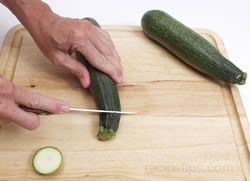
    Wash the squash under cool running water and cut both ends off.
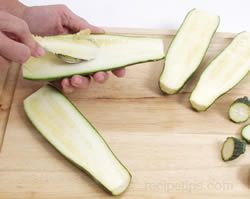
    Cut the squash in half and remove the seeds with a spoon.
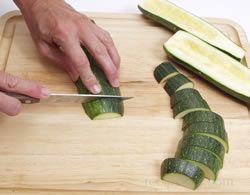
    The squash can then be quartered, cubed, sliced, grated, or left in halves and then cooked.
    chart credit

    Monday, June 23, 2014

    Go, Go Lady

     
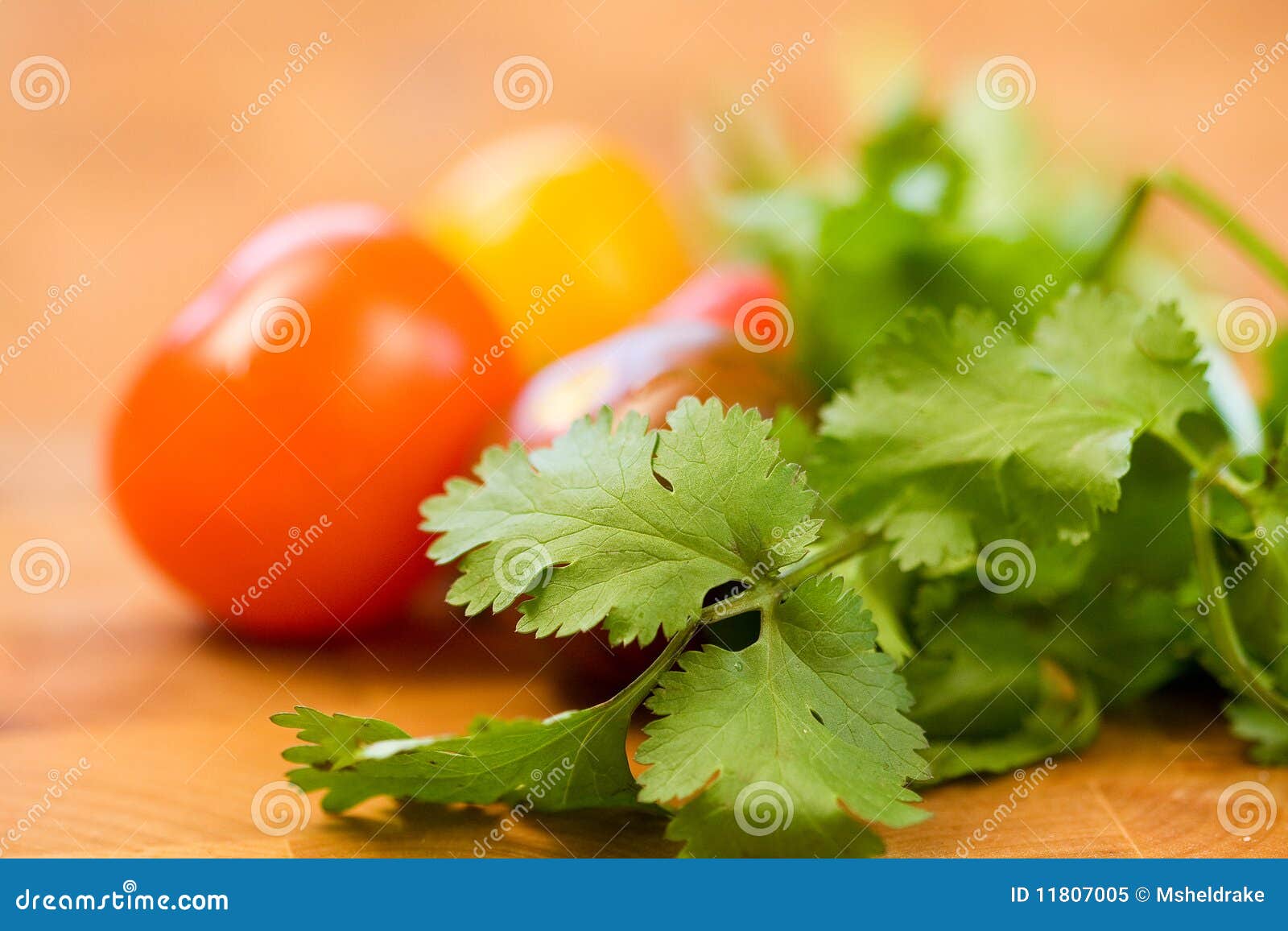
    Tomatoes and Cilantro
    photo credit

       Summer sinus junk; is there anything worse? Heat and humidity wreak havoc on nasal pressure and dripping. One doctor visit (I never visit the doctor), two shots and two prescriptions later I found myself knocked over and out of commission. Not good. After a weekend of this, my emotions and my inner timid soul surfaced.
        Monday morning brought with it a rebound of sinus headache and a list of things this week would demand. Face it- things don't stop just because we feel miserable. In it came the questioning; the small voice in my head that stirs fear and doubt. Why are you doing this? Is it worth it? Aren't you neglecting other things? Once she starts, she doesn't quiet easily.
         A deep breath; a teary sigh- I shared my fretful thoughts with Mr. Go. He shook his head and smiled; those blue eyes hinting a smile he always hides when we have this conversation. Go, Go Lady. Share the crazy and the creativity. With a nod and a hug I went on to work. It was going to take more than that to quiet the questions.
         God knows our needs even before we do. In the midst of a meeting He assured me in the one and only very way that works every time and never fails. A message came from a counselor we are working with. Some of her campers returned to summer camp today sharing stories of how they went home this weekend and cooked our recipes for their families. Imagine trying to contain the happy dance while sitting in a leadership meeting!
          There in my office he called me- Mr. Go heard the incredible news and once again reminded me, Go, Go Lady. Share the crazy and the creativity. I believe I shall!